
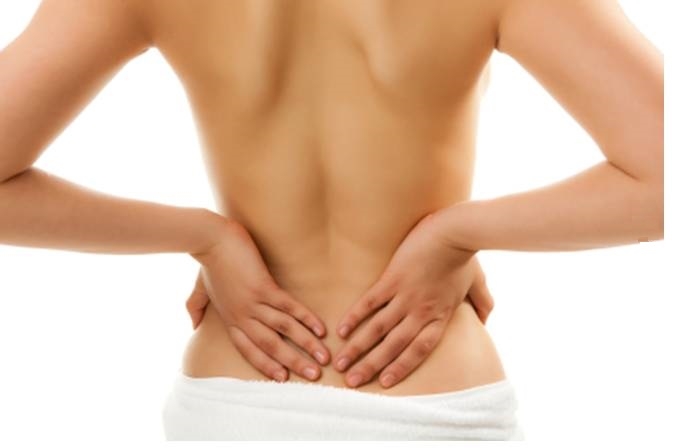
Statistical studies have proven that evenonce in a lifetime people will feel some discomfort in the lumbar region. Lumbar pain is a general term for pathology that is topographically located in the area below the lumbar region, i.e. the waist. According to the latest research, there is a more than 80 percent chance of experiencing pain in the back region. The specific term (lumbago) is used by the medical community to describe a painful condition in this area of the back which can be caused by several different factors. It usually occurs between the ages of 30 and 50. Even nowadays it is unclear why it occurs in individuals.Many times after an episode of lumbago the patient may feel that he cannot stand upright, stay seated for more than half an hour, walk, and it is impossible to drive.
AGGRAVATING FACTORS
STAGES OF LUMBAGO
Acute phase: lasting from the first day to six weeks of severe symptoms.
Sub-acute phase: lasting from six to 12 weeks, usually with alternating severe and mild symptoms.
Chronic phase: lasting from twelve weeks or more depending on the case and may even last for more than a year.
The main problem for patients is the intense pain they feel and the disturbances in proprioception and balance caused by this painful pathology, making people unstable. The lumbar vertebrae are number five (O1-O5), which are located between the thoracic and sacral spine. Based on human anatomy, the lumbar vertebrae are the largest in size compared to the others and are responsible for stabilising the entire trunk. If we consider that the centre of gravity of the human body is located somewhere near the navel, then we understand that all loads are primarily taken by the abdominal muscles (rectus, external-lateral abdominal) and the "spinal" muscles that extend the trunk (multifidus, quadriceps).
The causes of lumbago are mainly mechanical.
Also more rarely pain may occur from inflammatory causes such as rheumatoid arthritis, ankylosing spondylitis as well as neoplastic causes such as prostate cancer ,colon cancer, bone tumors.
SYMPTOMS
Appearance of pain and tenderness low in the spine and often on the right and left side of the spine. In advanced conditions there may be numbness at the end of the leg, pain and tightness in the calf area, buttocks or even higher up in the adductor or hip joint. The pain is sharp, deep and indistinct. Sometimes it has the sensation of burning. Often there may be a feeling of weakness in the knees or hips.In lumbago the pain is present even when the patient is resting and at rest. The intensity of the pain varies with activity. The person cannot do simple movements of daily life that he/she used to perform with ease, such as tying shoes.Clearly, the fear that these people acquire in controlling their body because of the pain makes them unable to cope with their daily life, having trouble even with the simplest movements such as lifting from a sitting or supine position.
The medical specialists involved in diagnosing the problem are the neurosurgeon and the orthopaedic surgeon. They will also prescribe some medication such as (non-steroidal anti-inflammatory drugs, muscle relaxants) and refer you for the required radiological examination. They will then refer you to a physiotherapist to start your physiotherapy sessions immediately. The goal is to return to daily life without pain.
IMAGING
Imaging tools are essential to discern the extent of the problemand complement the clinical evaluation.
Radiography (X-RAY)
Magnetic resonance imaging (MRI)
There are many different rehabilitation machines and physiotherapeutic techniques to treat this painful pathology of. In recent years it has been observed based on statistical studies and due to the sedentary lifestyle that it is affecting more and more people.
PHYSIOTHERAPEUTIC MEANS
Some of the many machines and techniques used by physiotherapists around the world to treat the symptoms caused by the pathology of low back pain are some of the following. Diathermy, tens (EMS), therapeutic ultrasound, currents, laser, biofeedback, magnetic fields, specialized spinal decompression machine.Physical therapy achieves analgesia and anti-inflammatory action by natural means, as well as anti-inflammatory action, as the body is not afflicted with drugs and injectables that can cause many unpleasant problems for the patient. Physiotherapy achieves the reduction and relief of the patient from the symptoms caused by the feeling of pain. Physiotherapy contributes to increasing the patient's functionality as well as preventing future spinal problems that may cause discomfort and affect their daily life. Even retraining to control the muscles and correct the patient's posture plays an important role. Also by strengthening the deep core muscles of the trunk has been observed in many studies to reduce pain in patients with chronic low back pain.When the feeling of pain subsides and the symptoms are reduced to a minimum then prevention to eliminate a future crisis plays an important role. This is achieved by keeping the person in good physical condition and strengthening the trunk with various techniques and exercises such as (yoga, Pilates, McKenzieexercises, taichi) and aerobic exercise such as (swimming, walking). Ask your physiotherapist for ergonomic advice for your home and office.It is an undeniable fact that back pain threatens people's standard of living as it is a global problem with multiple social and economic impacts (National Center for Health Statistics).
USEFUL TIPS
